

High school is the ideal networking grounds: clubs lead to mentorships, competitions create peer networks, volunteer opportunities create adult networks, and social media increases the reach. The most compelling example is the case of an imaginary composite of thousands of real teen success stories who turned curiosity into a 500+ contact net by graduation, finding internships, scholarships, and college recommendations. Her methodical approach to this – joining clubs, competing on a national level, volunteering on a strategic level, using LinkedIn – is just beat up every time by her passive friend collection.
Joining Leadership Clubs: STEM and Debate Teams
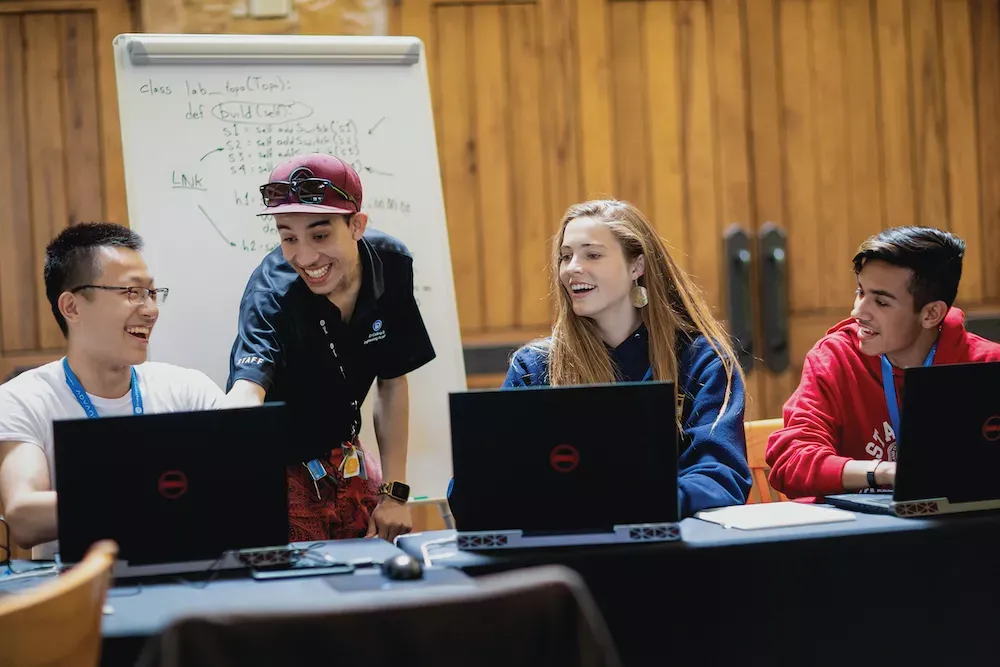
Sarah focused on high-impact extracurriculars: through robotics club, Sarah was able to attend 50+ engineer mentor meetings with local companies during build seasons. Competitions in the form of debate teams saw her face off against 200 teens across the state, alternating contacts after each round. Simulations of model UN brought in the diplomats and professors who judged committees. Strategy: go to officer elections, help with hospitality committees receiving speakers. Findings: 150 good contacts of 3 clubs and 30 casual friends.
Competing Nationally: Science Fairs and Hackathons
Sarah qualified to go to nationals because of winning a regional science fair, where she met 1,000 students, 100 judges (professors/corporate scientists), and 50 sponsors. She was connected with college coders in Hackathon teams; 20 invites to dev dinners were created after the event. Academic coaches were brought about in the country through quiz bowl circuits. Strategic point: call within 24 hours – -Great collaborating on the AI project, want to work together at a distance – -turning 70% of them into long-term relationships. Classes are 10:1 beaten by competitions on peer quality.
Strategic Volunteering: Museums and Nonprofits
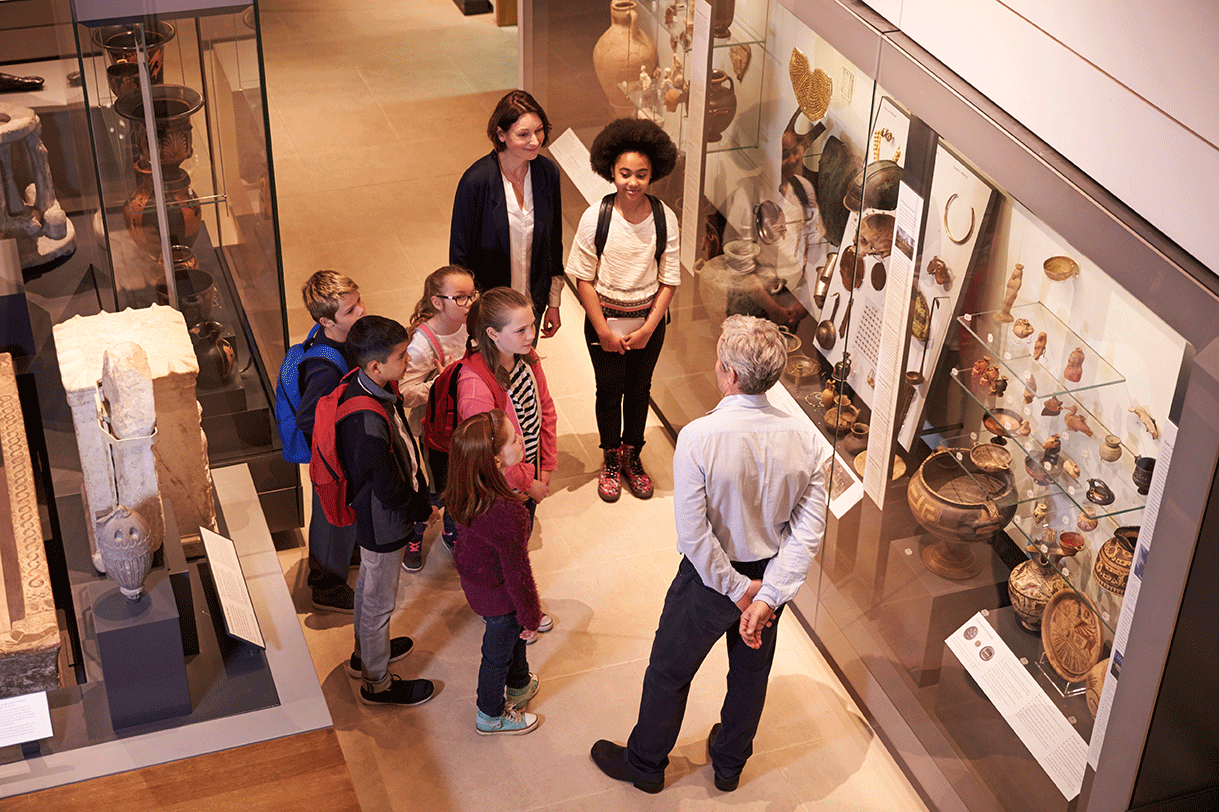
Docent experience in the museum placed Sarah in the environment with curators, donors, and visiting scholars- name label relationships were established with 30 elite contacts. Animal shelter shifts made her relate to 15 veterinarians volunteering on weekends. Food bank logistics introduced her to 25 corporate managers on drives. Differentiator: ask to receive business cards, send a thank-you e-mail with references to details (Your supply chain discussion led me to my AP Econ project). Adult allies classes are the result of volunteering.
Leveraging LinkedIn and Social Proof
Profile live as a sophist: profile picture, 3 achievements, headline: Aspiring biomedical engineer. Linked 200 classmates/alumni initially, 100 contacts in the club, increasing to 500 in senior year. Reflectively commented on mentor posts, posted about project progress- 10% replied with coffee conversations. The credibility was enhanced in school newspaper articles; college recruiters were attracted to reposts of principal endorsements. High schoolers do not see LinkedIn as valuable 90%-Sarah got 3 internships via LinkedIn.
Summer Programs and Conferences
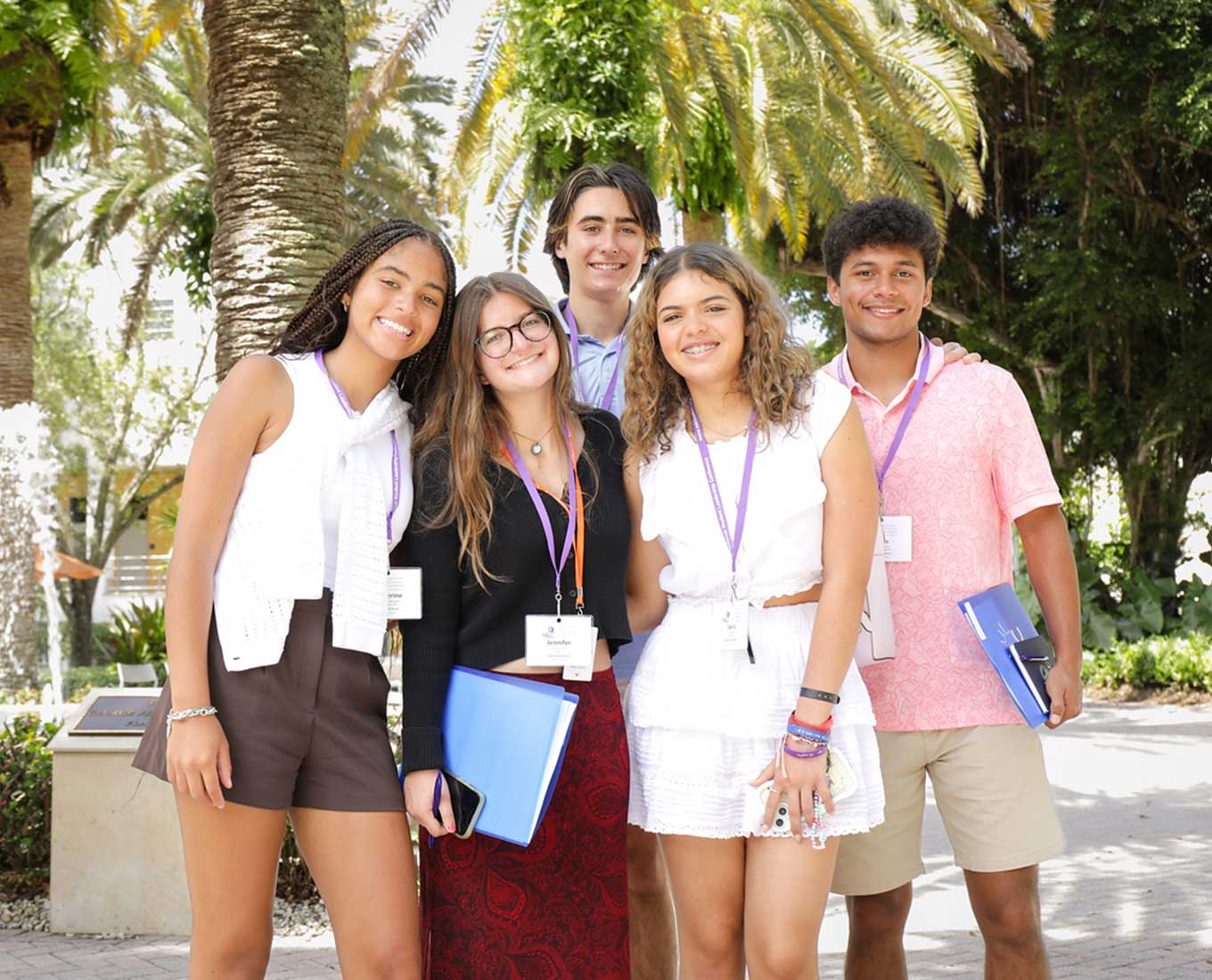
Acceptance to Governor school linked her with 100 high achievers in the country as well as 20 faculty. Introduction of youth leaders to politicians, CEOs through panel question and answer. Strategy sit first row, ask probing questions, hang around receptions trading numbers. One of the contacts in the conference was made into a paid research assistant.
Quantifying Success: Metrics That Matter
Networks that Sarah used to get: full-ride STEM scholarship (recommended by an alumnus), biotech internship (introduced by a museum curator), 5 college admissions with personal admission letters. Quality is better than quantity: 500 considered ties are better than 5,000 acquaintances. Spreadsheet tracking contacts with notes of how met, follow-up date, value prop.
Common Mistakes to Avoid
Friend requests not responded to. No customization: Hi, connect. fails 95%. No care to adults just for peers. Post-event ghosting destroys momentum. Excessive posting of selfies water downs professionalism.
Replicating the Model
Choose 3 clubs in accordance with career goals. Compete regionally. Volunteer in places where the targets are found. Enable LinkedIn second year. Follow up religiously. The networks of high schools compound: the rival of the debate today will be the hiring manager tomorrow.
The blueprint that Sarah uses shows that teens develop powerhouse networks in an orderly manner. Election to clubs to-morrow–a chance in a century.